
Group article by Justin, Anya, and Alex
(Justin) Every summer, we all try to find internships and work to boost our resumes and gain experience. But the most valuable things we get out of these experiences aren't always the technical skills. Studying M-LEAD core competencies, a grouping of valued soft skills by employers, the one that stood out to me most this summer is empathy. Empathy isn’t just about being a nice person. It is the ability to step outside of your own shoes and truly understand what someone else is going through. This summer, I saw how important this skill is in two completely different jobs.
First, in my role as a Resource Navigator, I spent a lot of time on Zoom meetings with international students. It is easy to forget how stressful it can be to navigate a new school from far away. I had to quickly learn to think about things from their perspective. This meant constantly considering massive time zone differences, language barriers, and cultural differences. Instead of just rushing through the information, empathy meant slowing down, speaking clearly, and making sure they felt supported and welcome.
When I work in the lab, empathy shows up in a different way. A new student joined us and was completely lost with the daily workflow. In a fast-paced lab environment, it is easy to get frustrated or assume that people "should just know" how to do things. But I reminded myself that everyone starts from zero, and I was in their position once too. Instead of being impatient, I took the time to explain the steps clearly. This didn’t just help them learn faster; it built a comfortable, trusting environment where they weren't afraid to ask questions.
Even though these two jobs seem totally unrelated, they taught me the exact same lesson. The soft skills you build over the summer are completely transferable to whatever you do next. True leadership isn’t just about being the smartest person in the room or having the best technical skills. It is about noticing what other people need, helping them overcome their anxiety, and bringing the whole team forward together.
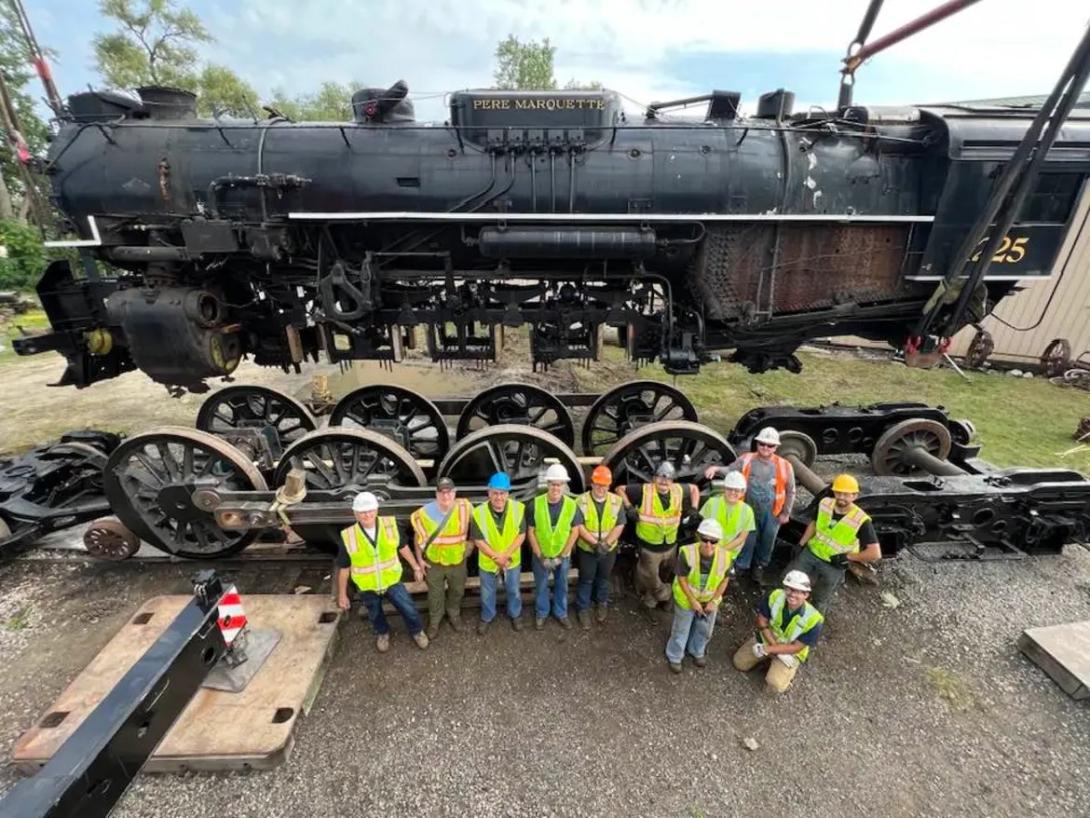
(Anya) As an undergrad at U-M, I’ve had two distinct summer jobs. The summer after my first year, I was a Cook Fellow working at the Steam Railroading Institute as an engineering intern. The summers after my second, third, and now fourth year, I did research as part of the Resourceful Manufacturing and Design group (ReMaDe) looking into recycling or reusing material from the transportation industry.
One of the M-LEAD core competencies is building relationships: “cultivating connections with others that contribute positively to the well-being of those involved.” During my first summer at Steam Railroading Institute, I had the least field experience in the field and, therefore, the most to learn. It was very important that the people I worked with built relationships with me early on so that I felt comfortable asking them questions, rather than attempting to do the task by myself. Additionally, getting to know the people early on that I was going to work with every day made going to work better and sometimes not even feel like work at all. Lastly, the job required high levels of trust as we were working with heavy equipment and parts where errors could result in having to rework a part or even injury. That level of trust could not have been achieved without the relationships that were built during work, lunch, and other times. I hope to bring these skills of early relationship building and ways to cultivate trust into my future efforts, especially as I acquire positions where I am no longer the least experienced and others look to me with their questions.
(Alex) One of the MLEAD core competencies that connects strongly to my summer work is resilience. MLEAD defines resilience as being tolerant of stressful situations, adapting effectively to them, remaining persistent during difficult situations, and recovering from setbacks. This competency shows up clearly in canvassing. Canvassing requires approaching many different people, starting conversations with strangers, handling rejection, and staying professional even when the interaction does not go the way I hoped. Some people may not want to talk, some may disagree, and sometimes the weather or long hours can make the job more difficult. However, the work teaches me how to keep going, stay calm, and not take every difficult interaction personally.
Resilience also appears in caregiving. Caregiving requires patience, responsibility, and consistency. It is not only about completing tasks, but also about being dependable for another person. This means showing up on time, staying focused, and being respectful even when I am tired or dealing with my own stress. Through this role, I have learned that resilience is not always about pushing through something loudly. Sometimes it is about staying steady, being patient, and continuing to do what needs to be done.
These experiences will be useful in my future because resilience is important in almost every career field. I am interested in law, politics, public service, and leadership, and all of these areas involve pressure, criticism, difficult conversations, and setbacks. The resilience I build through summer jobs can help me stay professional, recover from mistakes, and continue working toward long-term goals.
Thinking about ways your own experiences translate into these competency areas can help you frame and highlight summer work in a way that will boost your resume and help you share them during interviews to your best advantage!